

AI in music: what you can and can't do with Suno
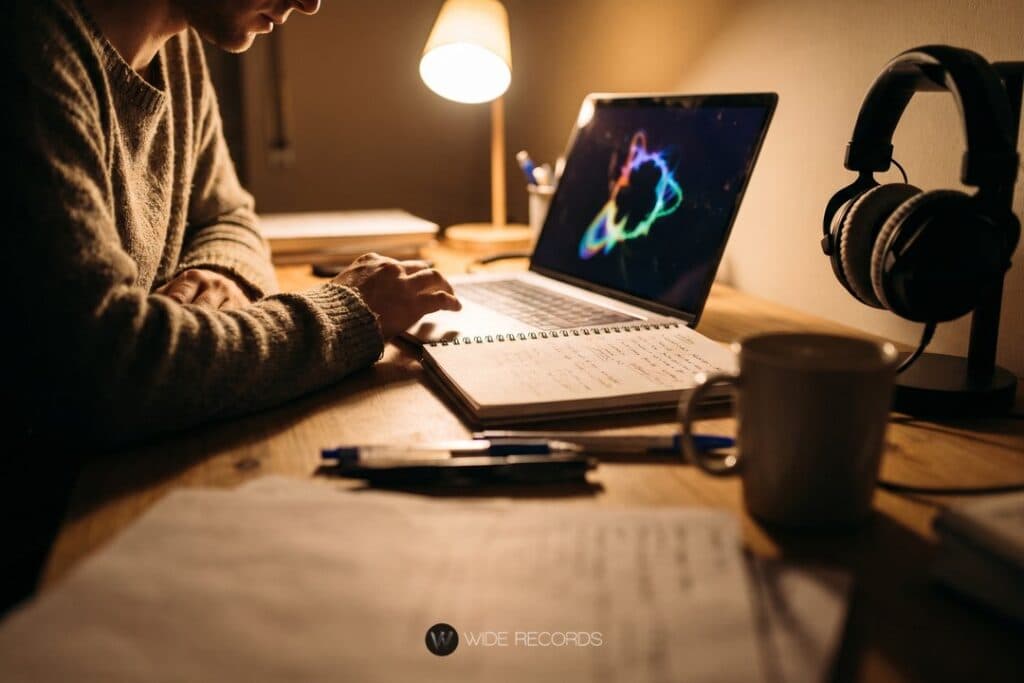
Within a few years, tools like Suno made possible something that used to need a studio, musicians and a decent budget: you write lyrics, pick a style, and a minute later you hear a song. For many lyricists it’s the first time they hear their words set to music. At the same time, it raises questions that didn’t exist before: who owns that song, can it go on Spotify, will a record label accept it?
Here is what applies today, without exaggerating in either direction.
What a tool like Suno does well
Its most useful feature is testing an idea quickly. If you have lyrics and don’t know whether they work as laiko, pop or a ballad, you can hear three versions in a few minutes. That helps you understand:
- whether the rhythm of the lyrics flows naturally when sung
- where a chorus is needed and where repetition gets tiring
- which style suits the story you’re telling
In other words, it works like a sketch. A lyricist who doesn’t play an instrument can show a composer or producer the direction they have in mind, something that used to mean singing it into a phone.
Who owns the song
This needs care, because the answer has two layers.
The first is the tool’s terms of use. On Suno, whatever you make on the free plan belongs to the company and is allowed only for personal, non-commercial use. You can’t upload it to platforms to earn money. On paid plans the company assigns you its rights in songs made while you were subscribed, and commercial use is allowed. Subscribing later doesn’t retroactively cover what you made for free. The terms change often and changed again in 2026, so before doing anything commercial, read the current version at suno.com/terms.
The second is copyright law itself. Even if Suno grants you rights, the company makes clear it can’t guarantee the output is protected. In 2025 the US Copyright Office wrote that material generated purely by AI is not protected, and that prompts alone are not enough. What a human contributed is protected: the lyrics you wrote, a melody you composed, the changes and arrangement you made. In Europe, too, protection rests on originality as a human intellectual creation.
In practice: your lyrics are yours. The music the tool generated is not automatically yours in the same way.
Can it go on Spotify?
Technically yes, if the tool’s terms allow commercial use and your distributor accepts such material. Platforms have become stricter, though. In 2025 Spotify announced AI rules: it bans imitating a real artist’s voice without permission, filters mass uploads that act as spam, and is moving towards disclosing AI use in credits. If you upload a song made with AI, be honest about how it was made.
Why labels ask for a finished recording
Every week we receive messages with AI demos, often with very good lyrics. Our answer is almost always the same: a label releases songs that have a performer, a recording and clear rights. An AI demo shows the idea, but it isn’t a release. Three things are missing:
- A performer. People listen to and follow people. A song needs a voice that can go live, do an interview, appear in a video.
- A recording with musicians or a producer. That’s where a song gains character and a quality that holds up on radio and playlists.
- Clear rights. We need to know who wrote what, with which shares, and that no part belongs to someone else.
How to use AI properly if you write lyrics
- Use it to hear and fix your lyrics, not as the final product.
- Keep the files and dates of your lyrics, because that is your own work.
- When you send an AI demo, say it’s an AI demo. It’s not a weakness, it’s respect for the other person’s time.
- If you want a release, find a composer or performer to finish it together, with a written agreement on shares.
- Don’t ask the tool to “sound like” a specific artist. It’s the surest way to run into trouble.
Conclusion
AI is a very good tool for sketches and for getting an idea unstuck. It doesn’t replace the performer, the recording and the agreement between creators. If you have a finished song and you’re looking for a label, you can send it to us through the contact page. For the next step after the demo, read From demo to Spotify.
This article is for information only and is not legal advice.